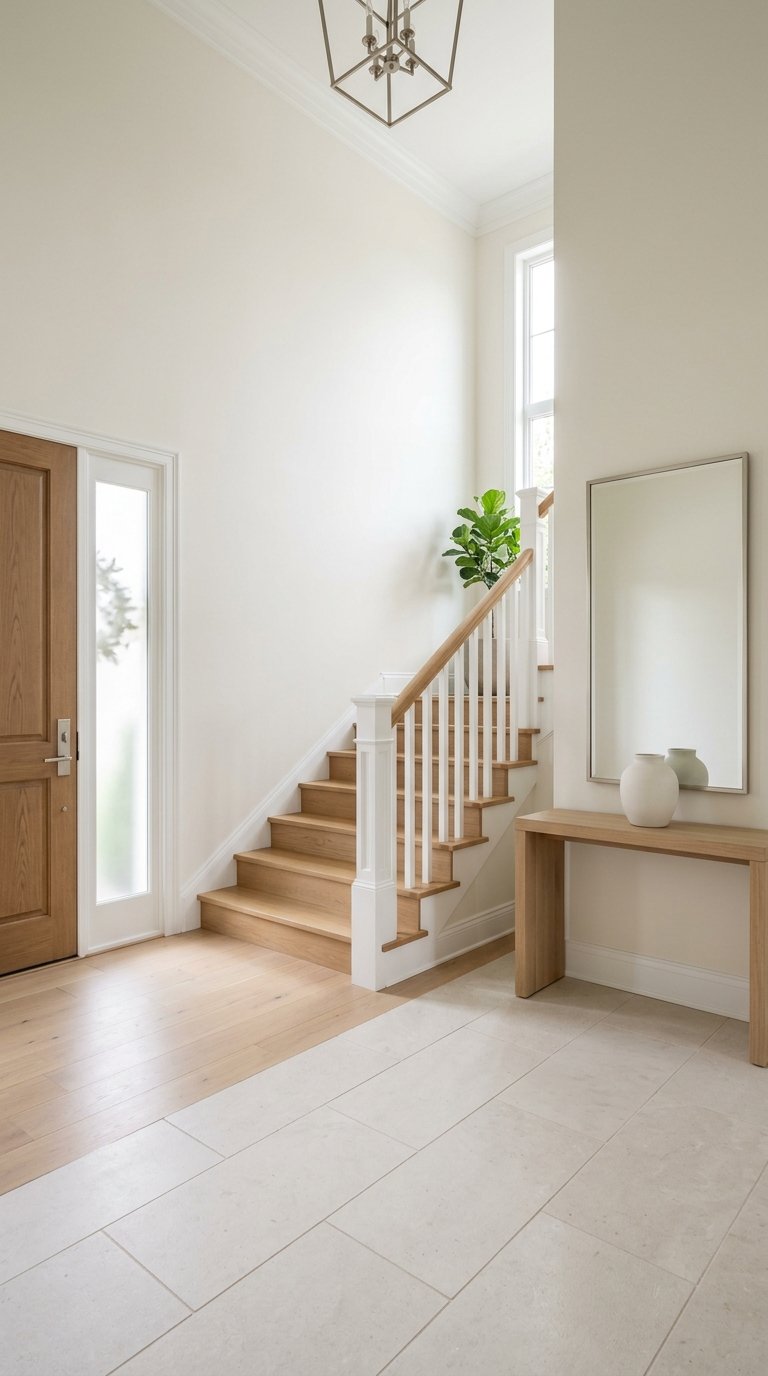
If your Edmond home is about to hit the market, one question matters more than most: will buyers see a home that feels move-in ready, or one that feels like work? In a market where buyers have options, presentation can shape how quickly your home gets attention and how confidently buyers write offers. The good news is that you do not need a full remodel to make a strong impression. You need a smart prep plan that helps your home look clean, cared for, and easy to trust. Let’s dive in.
Why prep matters in Edmond
Edmond remains active, but it is not a market where every home sells instantly regardless of condition. Over the three months ending May 2026, homes in Edmond sold in about 29 days, with a median sale price of $391,766 and a 98.5% sale-to-list ratio. At the same time, 29.1% of homes had price drops, and homes averaged about two offers.
That tells you something important as a seller. Buyers are still moving, but they are comparing homes closely. If your home feels unfinished, cluttered, or harder to evaluate, serious buyers may hesitate or use those issues to negotiate.
Edmond also draws interest from out-of-area buyers. That means your home often needs to impress people online before they ever step through the front door. Clear photos, strong visual flow, and a clean presentation can help your listing stand out early.
Start with the right prep order
When sellers feel overwhelmed, they often jump to the wrong projects first. A better approach is to work in a simple order that reduces stress and improves how buyers experience the home.
Declutter first
Decluttering gives every room more breathing room. It helps buyers focus on the home itself instead of your belongings, and it makes photos look cleaner and more spacious.
Start with flat surfaces, open shelving, entry areas, and oversized furniture. If a room feels crowded, remove enough items so the space reads clearly in photos and in person.
Depersonalize next
After decluttering, remove highly personal items. Family photos, bold collections, and very specific decor can make it harder for buyers to picture their own life in the home.
The goal is not to make your house feel empty. The goal is to create a neutral backdrop that feels welcoming to a wide range of buyers.
Deep clean everything
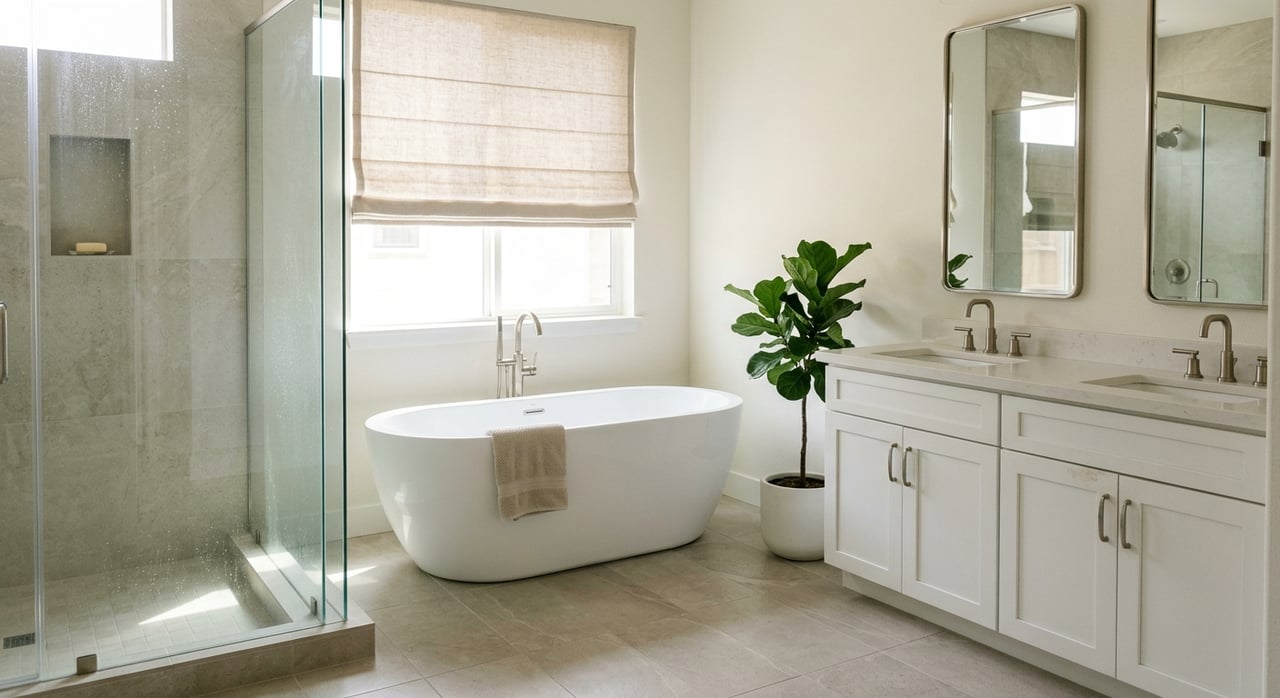
A clean home sends a strong message about maintenance. Buyers notice the small things, especially in kitchens, bathrooms, flooring, windows, and lighting.
Focus on visible surfaces first, but do not stop there. Clean carpets, walls, windows, fixtures, and baseboards can make the entire house feel brighter and better cared for.
Handle necessary repairs
Once the home is clean, maintenance issues stand out more clearly. This is the time to fix obvious problems that buyers will notice right away, such as dripping faucets, loose hardware, damaged trim, sticky doors, or burned-out lightbulbs.
You do not need to renovate every space. In most cases, it is smarter to address deferred maintenance and visible wear before taking on major projects.
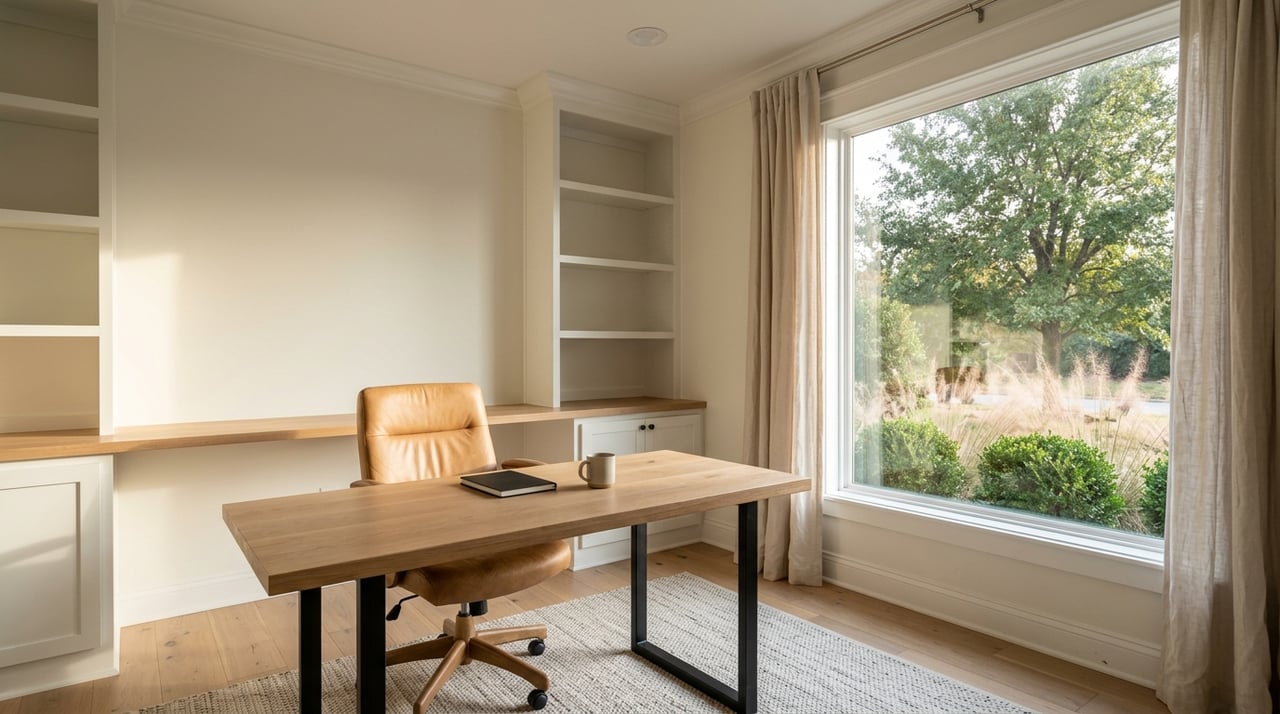
Stage for clarity
Staging works because it helps buyers understand how a space lives. According to the 2025 NAR staging report, 83% of buyers’ agents said staging made it easier for buyers to visualize the home as a future residence, and 60% said staging affected most buyers’ view of the home most of the time.
That matters in Edmond, where buyers often compare several homes in the same price range. If your home looks polished and easy to understand, it has a better chance of feeling memorable.
Focus on the rooms buyers notice most
Not every room needs the same level of attention. If your time or budget is limited, prioritize the spaces that shape first impressions online and during showings.
Living room
The living room is one of the most important rooms to stage. Keep traffic flow open, scale furniture to the room, and remove anything that blocks natural light.
A few simple changes can go a long way. Think neutral pillows, a clean coffee table, and enough open space that the room feels functional and relaxed.
Kitchen
Buyers tend to study kitchens carefully. Clear counters, wipe down cabinet fronts, and remove anything that makes the room feel busy.
If you only do one thing here, make it visual simplicity. A kitchen that looks clean and bright often feels more updated, even without major changes.
Primary bedroom
The primary bedroom should feel calm and spacious. Use simple bedding, limit extra furniture, and keep surfaces mostly clear.
This room does not need dramatic styling. It just needs to feel restful, neat, and easy to picture using every day.
Improve your showing-day routine
A well-prepared home can still lose momentum if it is not show-ready. Buyers form opinions quickly, so the final details matter.
NAR’s seller showing checklist recommends a few simple habits before each showing:
- Clear kitchen and bathroom counters
- Wipe visible surfaces
- Neutralize odors
- Open window treatments
- Turn on all lights
- Clear exterior pathways
- Remove pets and valuables during showings
These steps help your home feel brighter, cleaner, and easier to walk through. They also reduce distractions, which keeps buyers focused on the features of the property.
Choose repairs that support value
One of the biggest mistakes sellers make is over-improving the wrong things. Serious buyers usually respond best to homes that feel maintained, not homes that have been remodeled in a rush.
Fix obvious maintenance issues
If something looks broken, worn out, or neglected, buyers tend to assume there may be larger hidden problems. That is why small repairs can have an outsized effect on buyer confidence.
Pay special attention to roofing concerns, paint touch-ups, windows, doors, flooring condition, and anything related to core systems that a buyer will likely notice during a walk-through.
Consider a pre-sale inspection
A pre-sale inspection is not required, but it can help you identify issues before buyers do. It may cover the structure, exterior, roof, plumbing, electrical, heating and air conditioning, and other main systems.
Even if you choose not to repair everything, knowing the condition of the home helps you plan. It can guide what to fix, what to price for, and what may come up in negotiations.
Make targeted updates
If you want to invest in improvements, smaller projects often make more sense than a full remodel. NAR’s 2025 Remodeling Impact Report highlights projects like a new steel front door, closet renovation, fiberglass front door, and new vinyl windows as strong value-focused updates.
Paint and curb appeal improvements can also help marketability. In many Edmond listings, a fresh, well-kept look is more persuasive than expensive changes that do not match buyer priorities.
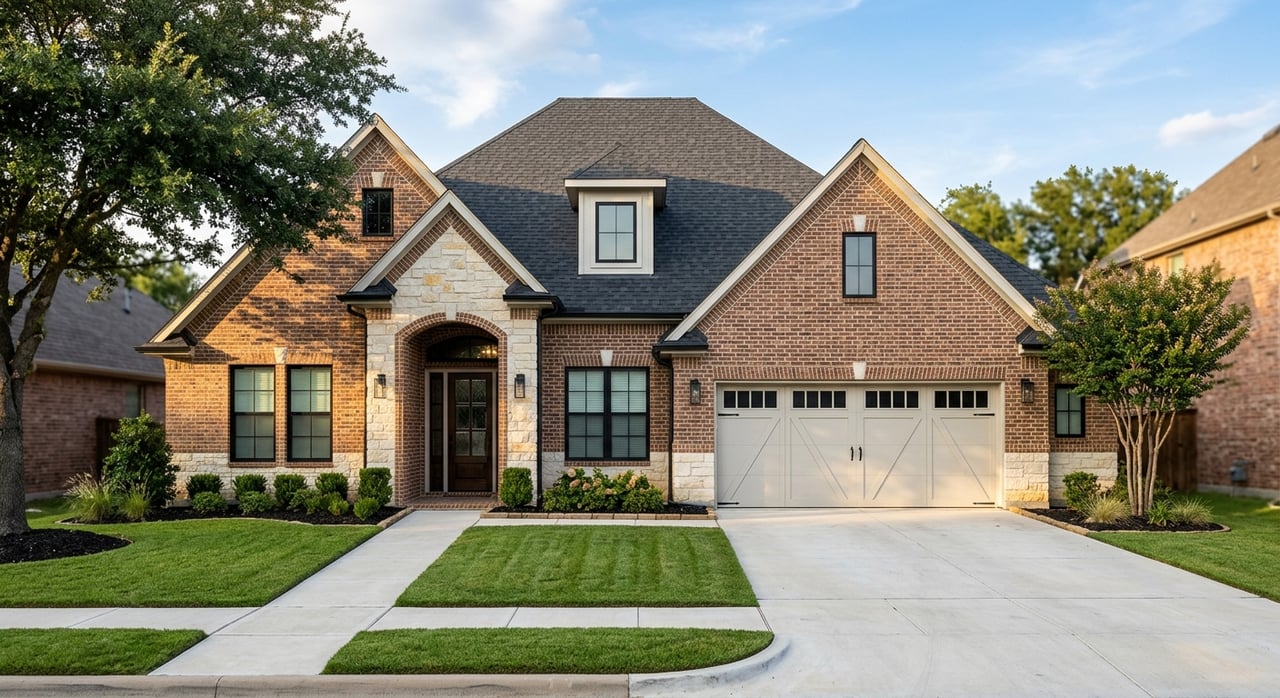
Boost curb appeal before buyers enter
Your exterior sets the tone for the entire showing. If the front of the home feels neglected, buyers may start the tour in a skeptical mindset.
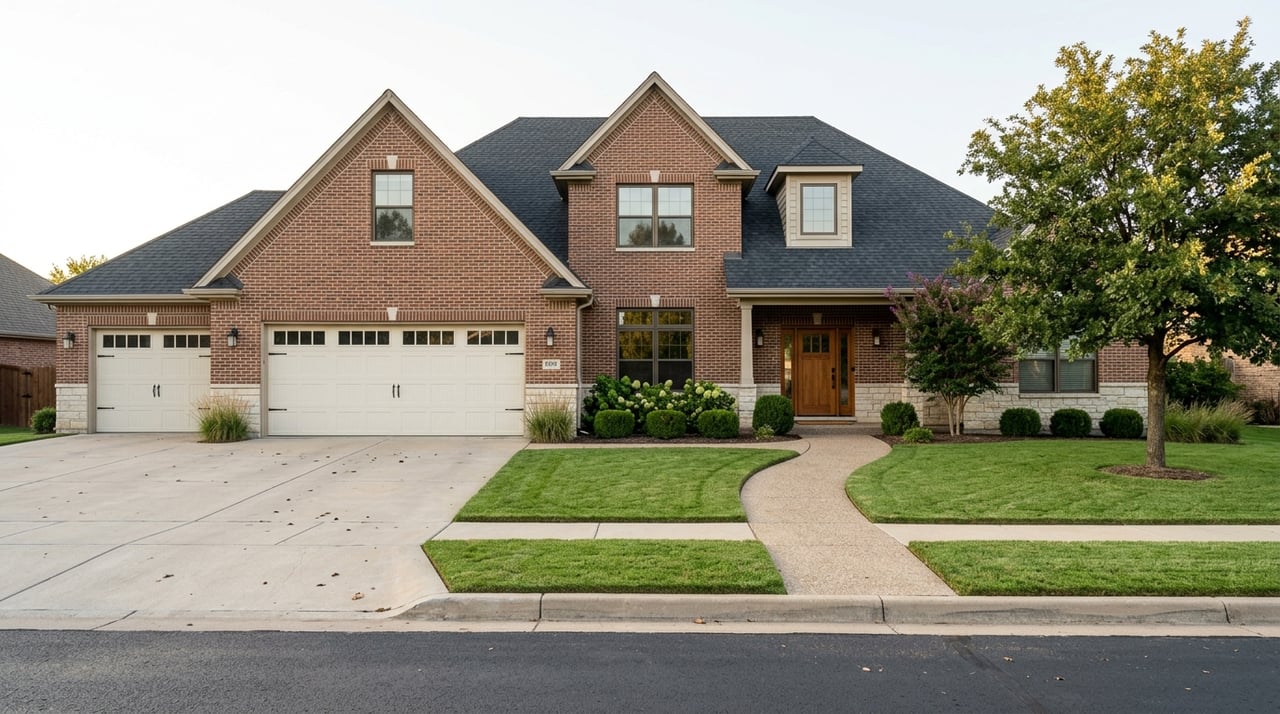
Focus on the basics first. Tidy landscaping, trimmed plants, clean walkways, swept porches, and a polished front entrance can make the home feel more inviting right away.
If your front door, lighting, or paint looks tired, those may be worthwhile places to refresh. Small exterior improvements can create a stronger first impression without turning into a major project.
Prepare paperwork early
Condition is only part of what attracts serious buyers. Trust matters too. When your paperwork is organized early, the transaction usually feels smoother and more credible.
Understand Oklahoma disclosures
In many residential sales, Oklahoma’s Residential Property Condition Disclosure Act applies. The Oklahoma Real Estate Commission says sellers with actual knowledge of defects that could negatively affect value or health and safety must disclose those issues in writing before acceptance of an offer.
If you later learn about a new defect, an amended disclosure is required. In some situations, such as when a seller has never occupied the property or lacks actual knowledge, a disclaimer statement may be used when permitted.
Gather supporting documents
It also helps to collect manuals, warranties, and guarantees for appliances or systems that will stay with the home. Having those items ready can reduce last-minute scrambling and support a smoother closing process.
For homes built before 1978, be prepared for the separate lead-based paint seller disclosure form. Getting organized early helps prevent surprises once offers start coming in.
Think like a serious buyer
When buyers walk into your Edmond home, they are asking a simple question: does this place feel worth the price? They are looking at condition, cleanliness, layout, light, and signs of care.
Your job is not to create perfection. Your job is to remove friction. A home that feels clean, simplified, well-lit, repaired where necessary, and easy to trust is more likely to attract buyers who are ready to move forward.
If you are preparing to sell in Edmond, the best results usually come from a calm plan, smart priorities, and clear local guidance. For personalized advice on what to fix, what to skip, and how to position your home for today’s buyers, connect with Kat Kosmala.
FAQs
What should Edmond sellers do first before listing a home?
- Start by decluttering, depersonalizing, deep cleaning, making necessary repairs, and then staging the home for photos and showings.
How fast are homes selling in Edmond right now?
- Over the three months ending May 2026, homes in Edmond sold in about 29 days on average.
Does staging really help a home sale in Edmond?
- Yes. NAR’s 2025 staging report found that 83% of buyers’ agents said staging helped buyers visualize a home as a future residence.
Should Edmond homeowners get a pre-sale inspection?
- It is not required, but it can help you identify issues early and decide what to repair, disclose, or price for before buyers begin touring the home.
What repairs matter most before selling a home in Edmond?
- Focus first on obvious deferred maintenance, visible wear, and issues that may reduce buyer confidence, such as leaks, damaged surfaces, lighting problems, or curb appeal concerns.
What disclosure forms should Oklahoma home sellers prepare?
- Many sellers should be ready with the Oklahoma property condition disclosure, and some situations may allow a disclaimer instead. Homes built before 1978 also require a separate lead-based paint seller disclosure.