Moving to a new city can feel exciting and overwhelming at the same time, especially when every area seems to have its own personality. If you are trying to figure out where you might feel most at home in Oklahoma City, it helps to know that OKC is not one-note. From urban districts near downtown to artsy corridors and quieter residential pockets farther out, you have real lifestyle choices here. Let’s dive in.
Oklahoma City Has A Real Neighborhood Spectrum
Oklahoma City is a large city with distinct districts, neighborhoods, and development patterns. The city’s planning framework separates areas into Downtown and Urban High, Urban Medium, Urban Low, Suburban, and Rural zones, which is a helpful way to understand how different parts of OKC can feel from one another.
For you as a newcomer, that means your day-to-day experience may vary a lot depending on where you land. Some parts of the city feel connected, active, and walkable, while others feel more residential, lower-rise, and spread out. That range is one of Oklahoma City’s biggest strengths.
Citywide, Oklahoma City’s 2025 population estimate reached 719,849, up 5.7% since 2020. The mean travel time to work is 22.2 minutes, the owner-occupied housing rate is 58.6%, the median owner-occupied home value is $231,300, and the median gross rent is $1,130. The city has also reported notable housing cost growth from 2019 to 2023, which helps explain why you may see a wide range of housing styles and price points across the metro.
Downtown OKC Feels Most Urban
If you want the most urban experience in Oklahoma City, downtown is usually where you will feel it first. Downtown OKC is divided into six districts: City Center, Bricktown, West Village, Midtown, Deep Deuce, and Automobile Alley. Each one offers a slightly different version of city living.
The downtown core also has one of the city’s clearest advantages for people who want a more connected lifestyle. Major districts are linked by the OKC Streetcar, and the area blends jobs, entertainment, parks, restaurants, and housing in a way that feels different from more spread-out parts of the city.
City Center Feels Connected And Active
City Center is the skyline core of downtown. It is closely tied to major attractions, museums, Myriad Botanical Gardens, and Scissortail Park, which gives it a mix of urban energy and outdoor access.
If you picture yourself near office towers, civic spaces, and some of the city’s best-known public destinations, this area may stand out. It often appeals to newcomers who want a central location and easy access to the broader downtown district.
Bricktown Feels Entertainment Focused
Bricktown is one of the most recognizable areas in OKC. Once a warehouse district, it is now known for restaurants, nightlife, entertainment venues, the canal, and water taxi rides.
For you, Bricktown may feel lively and visitor-friendly, especially in the evenings and on weekends. It is often less about quiet residential character and more about being close to activity.
Midtown Feels Historic And Lived-In
Midtown sits on the north edge of downtown and blends restaurants, neighborhood pubs, local shops, housing, and preserved historic buildings. The district emphasizes independent businesses and historic preservation, which gives it a more layered feel than some newer mixed-use areas.
This can be a strong fit if you want a neighborhood that feels urban but still personal. It often reads as active without feeling as entertainment-driven as Bricktown.
Automobile Alley Feels Walkable And Stylish
Automobile Alley runs north of downtown along Broadway. Former car-dealer buildings, preserved neon signs, shopping, dining, and nightlife give the district a distinct visual identity.
Many newcomers notice its walkable street environment right away. If you enjoy older commercial buildings with updated uses and a strong local-business feel, this area may catch your attention.
Deep Deuce Feels Urban Residential
Deep Deuce sits just north of Bricktown and is known today as an urban-residential district. It includes large-scale apartments, condominiums, and a walkable street pattern.
If you want to be close to downtown while still prioritizing residential living, Deep Deuce may feel like a practical middle ground. It offers city access with more of a home-base feel.
West Village Feels Creative And Revitalized
West Village blends historic and revitalized blocks with street art, galleries, retail, dining, nightlife, and Art Deco details. Its personality comes from that mix of old and new.
For newcomers, this can feel like a district with visual character and a creative edge. It is part of downtown, but it does not feel exactly like the business core or the entertainment districts.
Arts Districts Add Local Character
Outside the downtown core, some of Oklahoma City’s most memorable neighborhood vibes come from arts and heritage corridors. These areas often feel locally rooted, activity-filled, and distinct from newer suburban development.
If you are the kind of person who likes local shops, events, creative spaces, and older neighborhood fabric, these districts are worth exploring early in your search.
Plaza District Feels Artsy And Social
The Plaza District is one of OKC’s best-known arts-forward areas. It includes locally owned shops, neighborhood bars, galleries, restaurants, and more than 45 businesses, along with regular arts programming as a certified cultural district.
For you, the vibe here may feel energetic, local, and creative. It tends to attract people who want neighborhood personality and a steady rhythm of community activity.
Paseo Feels Small Scale And Artistic
The Paseo Arts District is a smaller neighborhood north of downtown with nearly 80 working artists and 20 studios. Its First Friday art walk gives the area an activity-centered identity.
This district often feels intimate and arts-focused rather than purely residential. If you enjoy a neighborhood where creative work is part of the everyday atmosphere, Paseo stands out.
Uptown 23rd Feels Casual And Classic OKC
Uptown 23rd is anchored by the Tower Theatre and Route 66 architecture. It offers locally owned restaurants, bars, and entertainment in a setting that feels approachable and active.
For newcomers, this area may strike a nice balance between history and everyday convenience. It often feels less formal and more casual than some of the denser downtown districts.
East End, Britton, And 39th Street Keep Evolving
East End, Britton, and 39th Street show how older OKC corridors continue to change over time. East End is a redevelopment district with festivals, restaurants, and retail, while Britton features murals, boutiques, coffee, live music, beer, and dining along a revived Route 66 stretch.
39th Street is another Route 66 corridor known for nightlife and local businesses. For you, these areas can offer a more evolving, local-corridor feel rather than a master-planned one.
Residential Areas Feel Quieter And Lower-Rise
Not every newcomer wants to be in the center of the action. Oklahoma City’s planning framework describes Urban Low and Suburban areas as places where lower building heights are maintained and commercial uses are kept compatible with nearby residential areas.
In practical terms, this means many non-downtown parts of OKC feel more residential-first. You may still have shopping, dining, or mixed-use pockets nearby, but the overall experience often shifts toward quieter streets, lower-intensity development, and more separation between activity hubs.
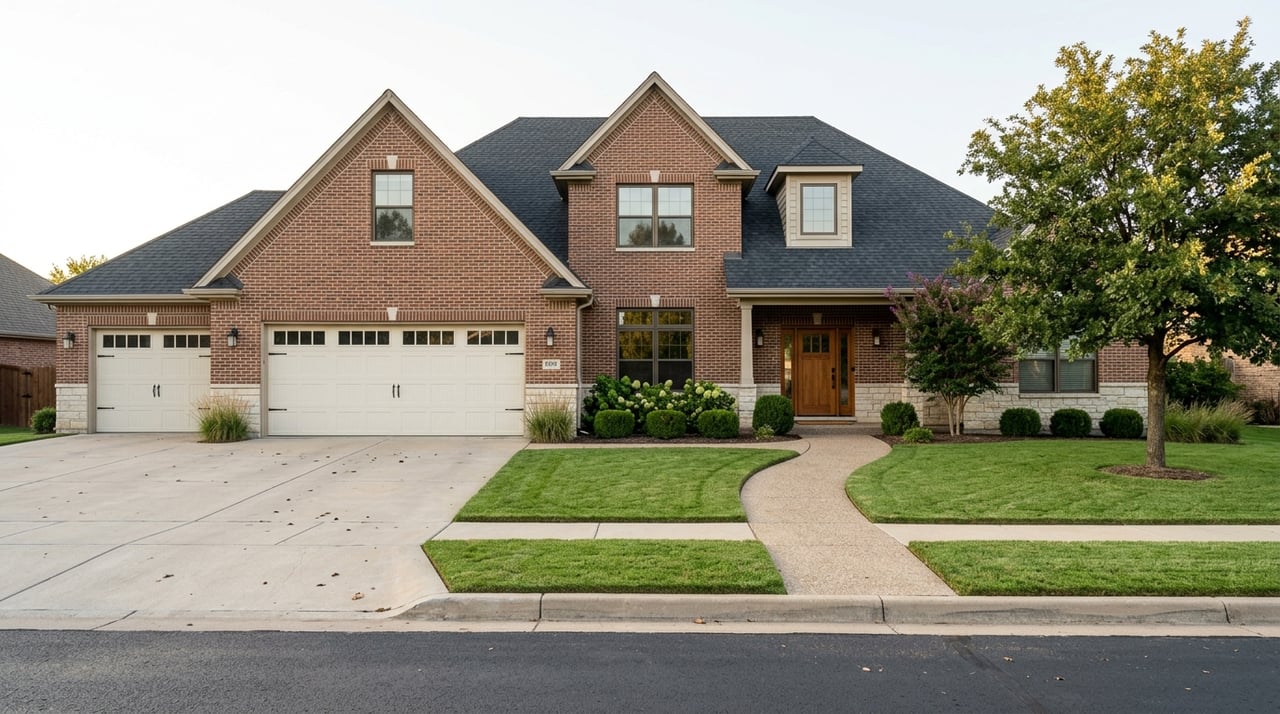
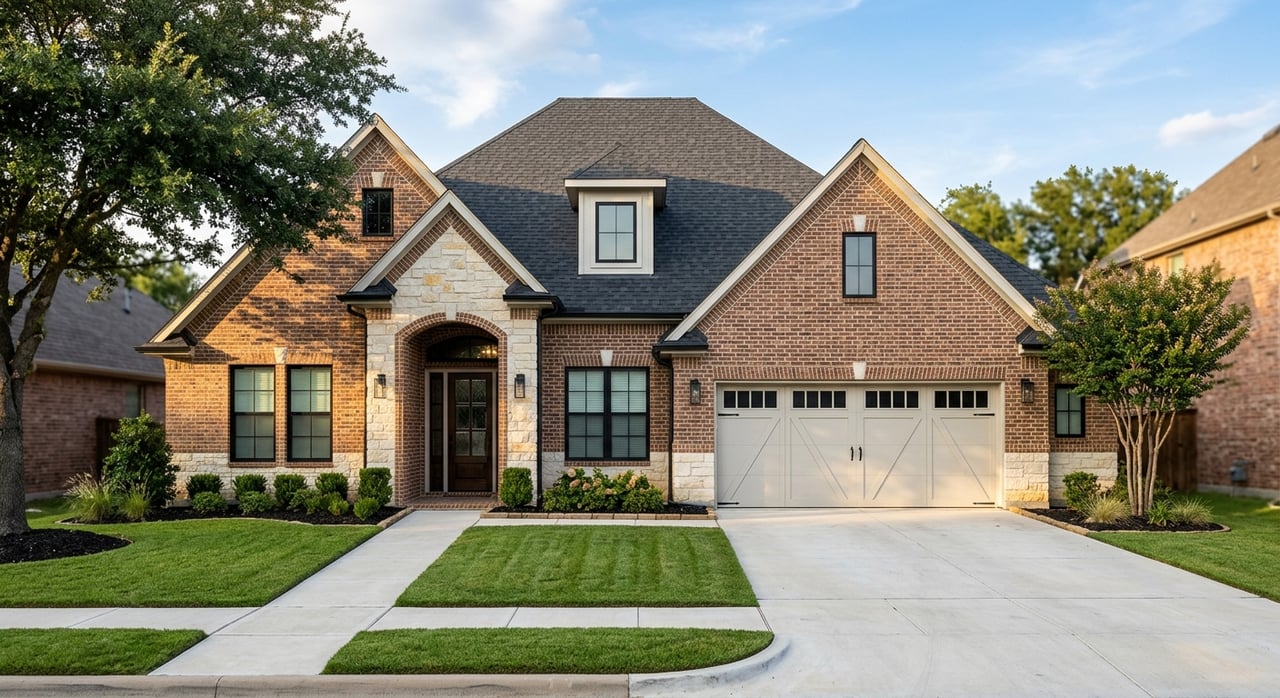
This can be especially helpful if you are relocating with a family, working remotely, or simply want more space and a calmer day-to-day pace. It is also a reminder that Oklahoma City does not have just one kind of lifestyle.
Chisholm Creek Feels Newer And Mixed Use
Chisholm Creek in northwest OKC is a good example of a newer mixed-use pocket. It combines dining, shopping, entertainment, trails, and green space in one area.
If you want modern convenience and an easy lifestyle setup, this type of district may appeal to you. It is not the same as downtown, but it also does not read as a sleepy residential area.
Boathouse District Feels Recreation Driven
The Boathouse District is more recreation-oriented than residential, but it still shapes how some newcomers experience the city. It turns the Oklahoma River corridor into a destination for trails and outdoor activity.
For you, this may matter less as a place to live directly and more as a lifestyle feature nearby. It shows how outdoor access can be part of your neighborhood decision, even in a large city.
Commute Feel Matters As Much As Distance
One of the most useful things to know about Oklahoma City is that commute feel is often about corridor and connectivity, not just mileage. Major interstates including I-35, I-40, and I-44 converge near downtown, which can make some routes feel straightforward and others more time-sensitive depending on where you are headed.
Will Rogers World Airport is located roughly 8 miles southwest of downtown, so airport access is often fairly direct. For relocation clients, frequent travelers, and military households managing tight timelines, that can be a meaningful advantage.
Public transit exists, but driving remains central for many residents. EMBARK operates a 22-route bus network serving Oklahoma City, Midwest City, and unincorporated Oklahoma County, plus commuter express service between Oklahoma City and Norman.
The downtown Transit Center links the OKC Streetcar, RAPID NW, and fixed bus routes. If you want the strongest car-light option, the urban core usually offers the best fit. If you are considering residential areas farther out, it is smart to think through your most common routes before choosing a neighborhood.
How To Narrow Down Your Best Fit
When you are comparing Oklahoma City neighborhoods, it helps to think about lifestyle before you think only about labels. The right fit is usually the area that supports how you actually want to spend your week.
Ask yourself questions like:
- Do you want a walkable, activity-rich setting or a quieter residential feel?
- Would you rather be near downtown districts or closer to suburban daily routines?
- How important are restaurant clusters, parks, trails, or entertainment nearby?
- Will your commute depend on a specific highway corridor?
- Do you want an older, more layered neighborhood feel or a newer mixed-use environment?
You do not need to rank every part of OKC as better or worse. You just need to find the part that matches your season of life, your routines, and your housing goals.
A Newcomer Friendly Way To Think About OKC
The simplest way to understand Oklahoma City is as a spectrum. Downtown districts offer density and activity, inner-ring arts and heritage corridors add local character, and farther-out areas often shift toward lower-rise, more residential-first living.
That variety is a big reason so many newcomers can find a good fit here. Whether you want an urban residential setup, a creative neighborhood feel, or a quieter home base with convenient access to the rest of the city, Oklahoma City gives you options.
If you are planning a move and want help matching your lifestyle, commute, and housing goals to the right part of the metro, Kat Kosmala can help you make a confident, well-informed start.
FAQs
What is the overall neighborhood vibe in Oklahoma City for newcomers?
- Oklahoma City feels like a spectrum, with urban downtown districts, arts-focused inner-ring corridors, and quieter residential areas farther out.
Which Oklahoma City areas feel most urban for new residents?
- Downtown districts like City Center, Bricktown, Midtown, Deep Deuce, Automobile Alley, and West Village usually offer the most urban feel.
Which Oklahoma City neighborhoods feel artsy and local?
- The Plaza District, Paseo Arts District, Uptown 23rd, East End, Britton, and 39th Street are known for local businesses, arts, events, and distinct character.
Are there quieter residential pockets in Oklahoma City?
- Yes. Many non-downtown areas feel more residential-first, with lower-rise development and a calmer day-to-day pace.
Is downtown Oklahoma City walkable for newcomers?
- Downtown offers some of the city’s most connected, walkable areas, and several districts are linked by the OKC Streetcar.
How important is commuting when choosing an Oklahoma City neighborhood?
- Commute feel matters a lot in OKC because major interstate corridors converge near downtown, so travel time can depend heavily on your route and destination.
Is Oklahoma City a good fit for relocation buyers?
- Oklahoma City offers a wide mix of neighborhood types, housing styles, and access patterns, which can be helpful if you are relocating and want options that match your lifestyle and commute needs.