If you are trying to decide whether Oklahoma City feels more like a vibrant urban hub or an easygoing suburban metro, the answer is yes. OKC gives you both, often within the same day, which is a big part of its appeal for buyers, sellers, and relocation clients. When you understand how the city is laid out, it becomes much easier to narrow in on the lifestyle that fits you best. Let’s dive in.
Why Oklahoma City Feels Balanced
Oklahoma City is large enough to offer distinct ways of living. The Census Bureau estimates the city’s population at 719,849 as of July 1, 2025, up from 681,054 in the 2020 census, which reflects steady growth and a broad mix of housing and lifestyle options.
That growth does not mean OKC feels dense everywhere. The city’s median owner-occupied home value is $231,300, median gross rent is $1,130, and mean commute time is 22.2 minutes, which points to a metro that is spread out, accessible, and still largely shaped around driving.
For many people, that balance is the sweet spot. You can find active districts, restaurants, parks, and events in the core, then head home to quieter residential streets in other parts of the city or nearby suburbs.
Urban Life in Central OKC
Central Oklahoma City is not just one downtown strip. It works more like a collection of districts, each with its own rhythm, which gives you more flexibility in how you live and spend your time.
Downtown Districts Offer Variety
Midtown blends local restaurants, neighborhood pubs, and unique shops. Bricktown is one of the city’s best-known entertainment and dining areas, while Paseo stands out as a long-established arts neighborhood with nearly 80 working artists and 20 studios.
The Plaza District adds another layer, with a reputation for authentic Asian cuisine and comfort-food favorites. For you as a resident, that means central OKC can feel varied and neighborhood-driven rather than repetitive.
Walkability Is Strongest in the Core
If walkability matters to you, downtown and near-downtown OKC make the strongest case. The district layout places dining, events, and public spaces closer together than you will usually find on the suburban edge.
That said, walkability in Oklahoma City is concentrated rather than universal. You can enjoy a more connected daily routine in specific central districts, but the wider metro still functions as a car-centered region overall.
Transit Supports Shorter Local Trips
Transit is most useful in the urban core. EMBARK operates a 23-route fixed bus system, and the OKC Streetcar has two loops that place riders within walking distance of every downtown district.
For some buyers, that creates a practical lifestyle advantage. You may still drive often, but living near the core can make shorter, more local trips easier to manage.
Parks and Open Space in the City
Urban living in OKC does not mean giving up access to green space. The city says it operates more than 170 parks, 100 miles of trails, and 5,000 acres of public land, with 56% of residents living within a half-mile of a park or trail.
Scissortail Park Adds Room to Breathe
Scissortail Park is a 70-acre urban park stretching from downtown to the Oklahoma River. It gives central residents a major outdoor space that supports both everyday use and a stronger connection between downtown destinations.
Myriad Botanical Gardens Anchors Downtown
Myriad Botanical Gardens adds 15 acres in the heart of downtown. Its location near Bricktown, the Oklahoma City National Memorial, and other central attractions makes it part of the daily fabric of downtown life rather than a destination set far apart.
For buyers comparing urban OKC to suburban areas, these spaces matter. They show that central living can still include outdoor access, trails, and room to unwind.
Why the Suburban Side Appeals
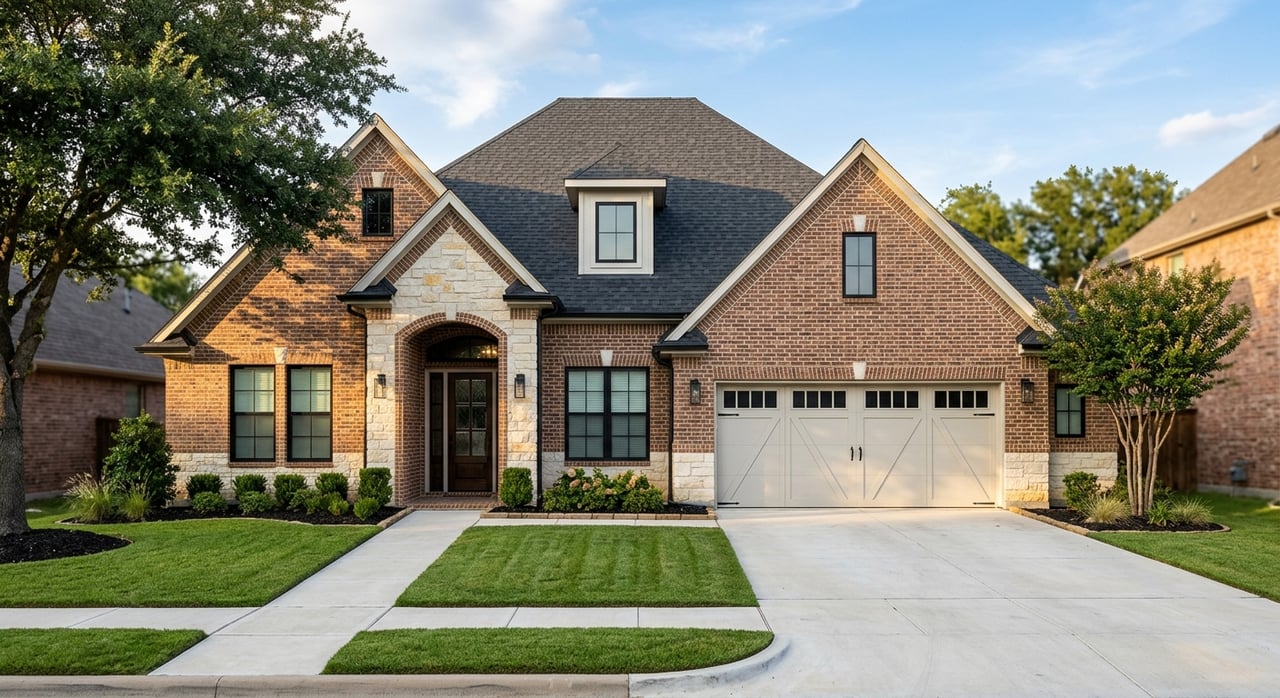
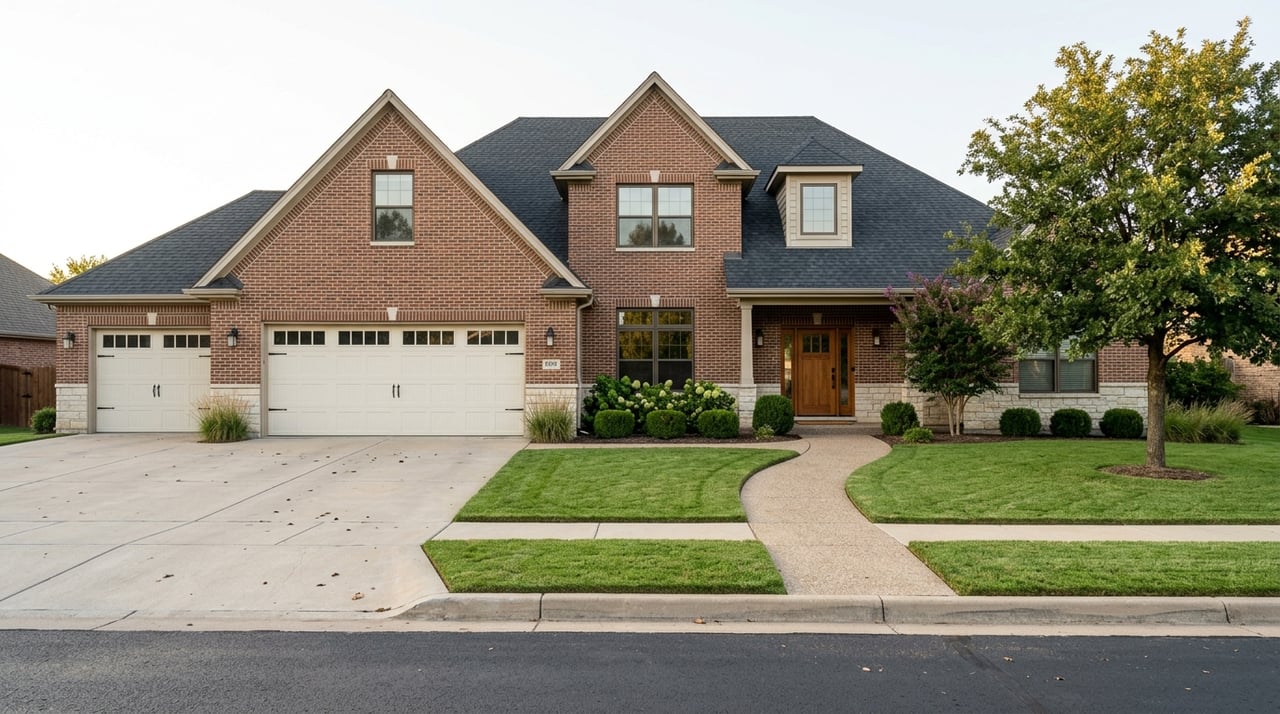
If your ideal routine includes quieter streets, more detached homes, and a more residential pace, the suburban side of the OKC metro may feel like home. Communities around Oklahoma City offer a different kind of convenience, one built around space, parks, and everyday ease.
Edmond Brings Space and Structure
Edmond is one of the clearest examples of suburban living in the metro. The city describes itself as offering quiet suburban living along with a central business district, major shopping, and modern office areas.
Its planning documents describe Suburban 2 neighborhoods as 1- to 2-story areas with medium to large single-family detached homes. Mitch Park, one of Edmond’s major recreation assets, spans 280 acres and adds trails and other amenities that support an outdoor lifestyle.
Moore Shows a Park-Focused Pattern
Moore reflects another version of suburban calm. The city has more than 300 acres of park grounds, and its layout tends to support a more residential, car-dependent rhythm than you will find in the urban core.
A recent transportation feasibility study reported that 81.5% of Moore workers drove alone and 0.0% used public transportation. That does not make Moore less livable. It simply highlights a different lifestyle pattern, with amenities spread out and daily routines more centered on driving.
Home Values and Commutes Matter
One of the biggest misconceptions in any metro area is that suburbs always cost less. In the OKC area, the numbers tell a more nuanced story.
Recent Census data show median owner-occupied home values of $231,300 in Oklahoma City, $351,400 in Edmond, and $204,500 in Moore. That means your price point may depend less on whether you choose city or suburb and more on which community and housing type fit your goals.
Commute times are also fairly close. Mean commute times are 22.2 minutes in Oklahoma City, 23.3 minutes in Edmond, and 22.9 minutes in Moore, so commute length alone may not fully explain how a place feels to live in.
How to Choose Your Best Fit
The real question is not whether urban living is better than suburban living. The better question is how you want your daily life to work.
Choose Central OKC If You Want Proximity
Central OKC may be a strong fit if you want:
- Close access to restaurants, entertainment, and events
- A more district-based lifestyle
- Historic character in certain areas
- Better access to transit options within the core
- Parks and public spaces integrated into downtown living
The city’s historic preservation districts include places such as Mesta Park, Heritage Hills, Edgemere Park, and Paseo. Combined with ongoing downtown planning around density, connectivity, open space, and residential growth, that supports a lifestyle focused on character and proximity.
Choose the Suburbs If You Want Space
Suburban areas may be a stronger fit if you want:
- More detached single-family housing options
- Quieter residential streets
- Larger neighborhood park systems
- A more car-based daily routine
- Separation between home life and entertainment districts
For many buyers, that tradeoff feels worthwhile. You may gain more space and a calmer setting, while still staying connected to jobs, shopping, and the larger metro.
What This Means for Buyers and Sellers
If you are buying in Oklahoma City, it helps to define your priorities early. Think about how often you want to drive, how close you want to be to dining and entertainment, what type of home you prefer, and whether yard size or neighborhood pace matters more to you.
If you are selling, understanding this urban-suburban contrast also matters. Buyers are often comparing lifestyle patterns as much as square footage, so clear positioning can help them see how your home fits their goals.
In a market like OKC, the most successful move usually starts with clarity. When you match your housing search or selling strategy to the way you actually want to live, the decision becomes much less overwhelming.
Whether you are relocating, buying your first home, or planning a move across Central Oklahoma, having a local team that understands both the city core and the suburban edge can make the process feel much more manageable. If you want calm, knowledgeable guidance as you weigh your options, connect with Kat Kosmala.
FAQs
Is downtown Oklahoma City walkable for daily living?
- Downtown Oklahoma City is more walkable than the metro at large, especially within districts like Midtown, Bricktown, Paseo, and Plaza, but that experience is concentrated in specific areas rather than across the whole city.
Are Oklahoma City suburbs still close to amenities?
- Yes. Communities like Edmond and Moore offer parks, shopping, and business areas, but those amenities are generally more spread out and more car-dependent than in central OKC.
Is suburban living in the OKC area always more affordable?
- No. Recent Census data show median owner-occupied home values of $231,300 in Oklahoma City, $351,400 in Edmond, and $204,500 in Moore, so affordability depends on the specific area and home type.
What should buyers compare when choosing between OKC and the suburbs?
- Buyers should focus on commute pattern, housing style, access to dining and entertainment, yard size, and how much walkability they want in daily life.
Does central Oklahoma City offer parks and outdoor space?
- Yes. Oklahoma City operates more than 170 parks and 100 miles of trails, and central areas include Scissortail Park and Myriad Botanical Gardens for outdoor access near downtown destinations.