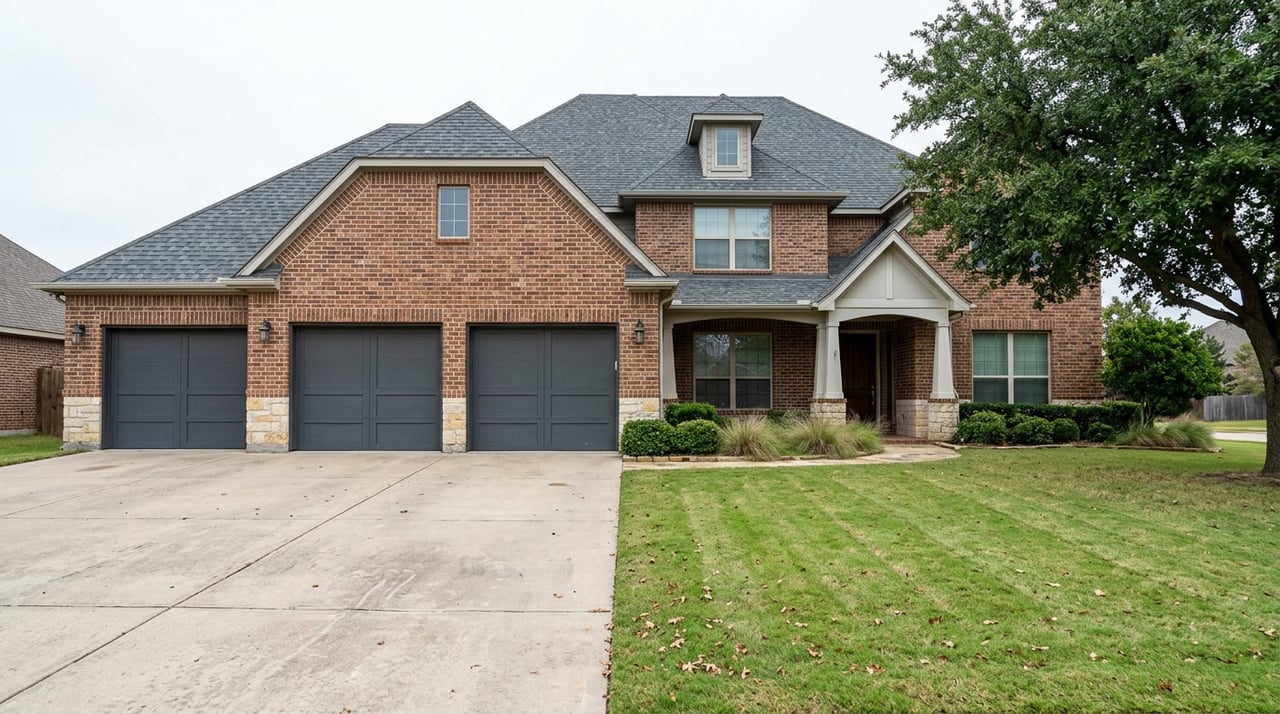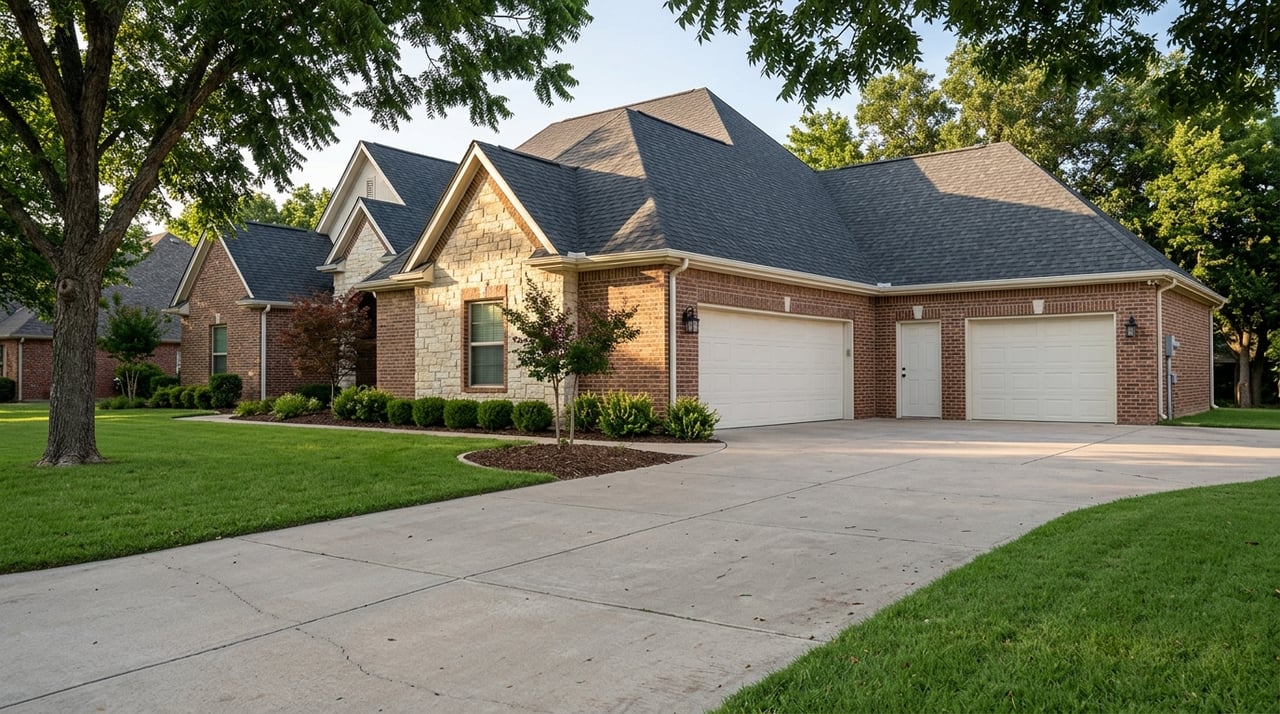
Looking at a home with land in Choctaw can feel like the best of both worlds. You may picture more privacy, more room to spread out, and space for the way you want to live. But before you fall in love with the acreage, it helps to know that buying a property on land often comes with extra questions about utilities, access, zoning, and upkeep. This guide will walk you through the key things to check so you can move forward with more clarity and confidence. Let’s dive in.
Why Choctaw land needs a closer look
Choctaw is known for blending a small-town rural feel with growing-city services. That mix is part of the appeal, but it also means two properties that seem similar at first glance may function very differently.
Some homes may sit inside city service boundaries, while others may be closer to the rural edge. In Choctaw, City Hall helps residents set up water, sewer, and trash service, while the Choctaw Utilities Authority handles water, sewer, storm-water drainage, and related infrastructure. Public Works manages streets, street lights, bridges, and other roadway items.
That matters because larger lots often come with details you cannot confirm from a quick showing alone. Choctaw’s mapping division tracks city limits, parcels, roads, sanitary sewer, water, flood zones, and floodway, but the city also notes that you are responsible for confirming exact utility locations.
Check utilities before you write an offer
When you buy a home on land, utilities should move to the top of your checklist. A beautiful property can become far more complicated if service lines, system type, or future utility needs are unclear.
Public sewer or septic
Choctaw’s wastewater system serves more than 1,600 sewer customers, and upgrades are underway as the area grows. Even so, not every property will be connected to municipal sewer, especially on larger or more rural-feeling lots.
If the home is on public sewer, confirm the tap, billing, and service boundaries with the city. If the property uses an onsite sewage treatment system, Oklahoma DEQ says these systems require authorization, soil-profile or percolation testing, and ongoing maintenance.
Septic care is not a one-time issue. DEQ also notes that periodic pumping is essential for long-term operation, so it is smart to ask about the system’s age, condition, and pumping history before closing.
Private well questions
Some homes on land may rely on a private well. Oklahoma DEQ says the state does not require private-well testing, but many lenders do require testing before closing.
Oklahoma State University Extension notes that well owners are responsible for water safety, and regular testing is the only way to know whether the water is safe. Private wells can also be affected by septic systems, nearby land use, drought, and flooding.
If a property has a well, ask early what tests your lender may require. It is also wise to ask your inspector what water testing makes sense based on the property and surrounding conditions.
Trash and cleanup services
On a larger lot, routine cleanup can become a bigger factor than many buyers expect. Choctaw residents use Waste Connections for trash service, and the city offers monthly bulk-waste pickup.
Choctaw code enforcement also monitors overgrown vegetation at 12 inches or higher, trash accumulation, and mandatory trash-service compliance. On acreage, brush, debris, and yard waste can add up faster, so it helps to understand these expectations before you buy.
Verify road access and maintenance
Utilities are only part of the picture. Access matters just as much, especially if the home sits on a long driveway, near the edge of town, or outside city limits.
Inside Choctaw, Public Works is responsible for streets, bridges, street lights, and related infrastructure. Outside city limits, Oklahoma County’s engineering office coordinates road and bridge maintenance.
That distinction is important because you want to know whether the road is public or private and who maintains it. You should also ask who is responsible for the driveway, especially if the property shares access with another parcel.
Understand zoning and land-use limits
It is easy to assume extra land gives you unlimited flexibility. In reality, what you can do with that land may depend on zoning, recorded restrictions, easements, setbacks, and permit rules.
Choctaw’s planning materials explain that the zoning map shows what is allowed today, while the comprehensive plan provides the long-range development framework. The Planning Commission reviews zoning issues, subdivision plats, and lot splits, and the city offers zoning verification services.
Bigger lot does not always mean blank slate
Before you move forward, ask for documents that show how the property can actually be used. That can include CC&Rs, title commitments, surveys, and references to easements or setback lines.
These details can affect where you place fences, how you access the property, and whether parts of the land are restricted by utility easements or shared-drive arrangements. On a property with more land, these limitations can have a bigger impact than buyers expect.
Parking and storage rules
Choctaw code enforcement notes restrictions involving trailers, RVs, and boats parked in front for more than 48 hours. That may not sound like a major issue at first, but it can matter if you plan to use the property for extra parking or outdoor storage.
This is one of those details that can be easy to miss during a showing. It is worth confirming local rules early so your plans match what is allowed.
Future improvements may need permits
If you are hoping to add improvements after you move in, check permit requirements before closing. Choctaw notes that residents may need permits for items like fences and storm shelters, and storm shelters require both a permit and registration.
That does not mean you cannot make changes. It simply means you should verify the process in advance, so you understand the time, cost, and approval steps involved.
Pay close attention to drainage and flood maps
A larger lot often means more surface area to manage. That can include low spots, standing water, drainage paths, and flood-related concerns that are less obvious on a standard suburban lot.
Choctaw’s weather information notes the city is near the North Canadian River and tributaries and encourages residents to be aware of local floodplains. The city’s mapping division also tracks flood zones and floodway.
When you tour a property, look beyond the house itself. Pay attention to grading, soggy areas, erosion, and how water may move across the land after heavy rain.
Plan for higher ongoing maintenance
More land usually means more work and more recurring costs. That does not make it a bad investment, but it does mean you should budget differently than you would for a smaller in-town lot.
Common upkeep items may include:
- Mowing and brush control
- Drainage upkeep
- Septic pumping
- Well testing
- Trash and bulk-waste management
- Driveway maintenance
- Fence or accessory-structure upkeep
These costs can vary from one property to the next. The goal is not to avoid homes with land, but to understand what ownership will realistically look like after move-in day.
Use a smarter pre-offer checklist
If you are serious about buying a home on land in Choctaw, a more detailed pre-offer checklist can help you avoid surprises later. The right questions up front can save you time, money, and stress.
Questions to ask your lender
Ask whether the property is eligible if it has a private road, septic system, or private well. You should also ask whether the lender will require well testing, a septic report, or additional title documentation.
Questions to ask your inspector
Ask how old the septic system is, when it was last pumped, and where the drain field is located. You should also ask about signs of drainage issues, standing water, or settlement.
If the property has a well, ask what water tests are appropriate before closing. This can help you match your inspection plan to the property’s actual setup.
Questions to ask your agent and title company
Ask whether the access road is public or private and who maintains the driveway. You should also confirm whether any easements cross the parcel and whether there are CC&Rs or HOA rules that limit how the property can be used.
Choctaw’s planning and mapping tools are designed to help verify many of these parcel-level details. On land purchases, those details often matter just as much as the square footage of the home.
What makes a Choctaw land purchase a good fit
In Choctaw, the value of a home on land is about more than acreage alone. The real question is how that property functions day to day and whether it matches your goals, budget, and comfort level with maintenance.
A great property on land is one where the service status, access, title details, and upkeep needs are clear before you commit. When you understand those moving parts early, you can make a more confident decision and enjoy the benefits of the property you choose.
If you are considering a home on land in Choctaw, having a local team that knows what to look for can make the process much smoother. Kat Kosmala is here to help you ask the right questions, verify the right details, and move forward with confidence.
FAQs
What utilities should you verify when buying a home on land in Choctaw?
- You should confirm whether the property has municipal water and sewer or relies on a private well and onsite sewage treatment system, plus verify exact service locations, billing, and service boundaries.
What should you know about septic systems in Choctaw-area properties?
- Oklahoma DEQ says onsite sewage treatment systems require authorization, soil-profile or percolation testing, and ongoing care, and periodic pumping is essential for long-term operation.
What should you ask about a private well in Choctaw?
- You should ask what water tests your lender requires and what testing your inspector recommends, since private-well owners are responsible for water safety and wells can be affected by nearby land use, septic systems, drought, and flooding.
Why does road access matter when buying land in Choctaw?
- You need to know whether the road is public or private and who maintains both the road and driveway, because access and maintenance responsibilities can vary depending on whether the property is inside city limits or outside them.
Can zoning or restrictions limit how you use land in Choctaw?
- Yes, zoning, easements, setbacks, CC&Rs, and permit requirements can all affect what you can do with the property, even if the lot is large.
Why should you check flood and drainage details on a Choctaw property?
- Choctaw is near the North Canadian River and tributaries, and the city tracks flood zones and floodway, so it is important to review drainage patterns, elevation, and flood-related map details before buying.