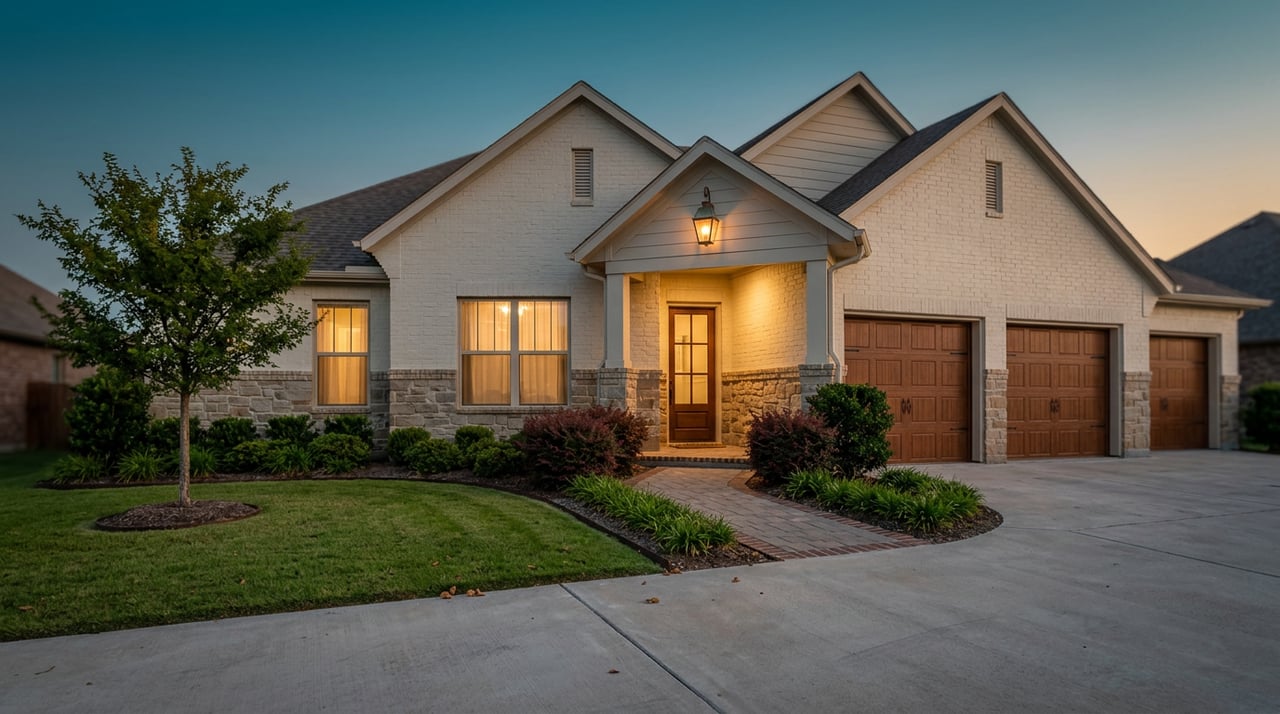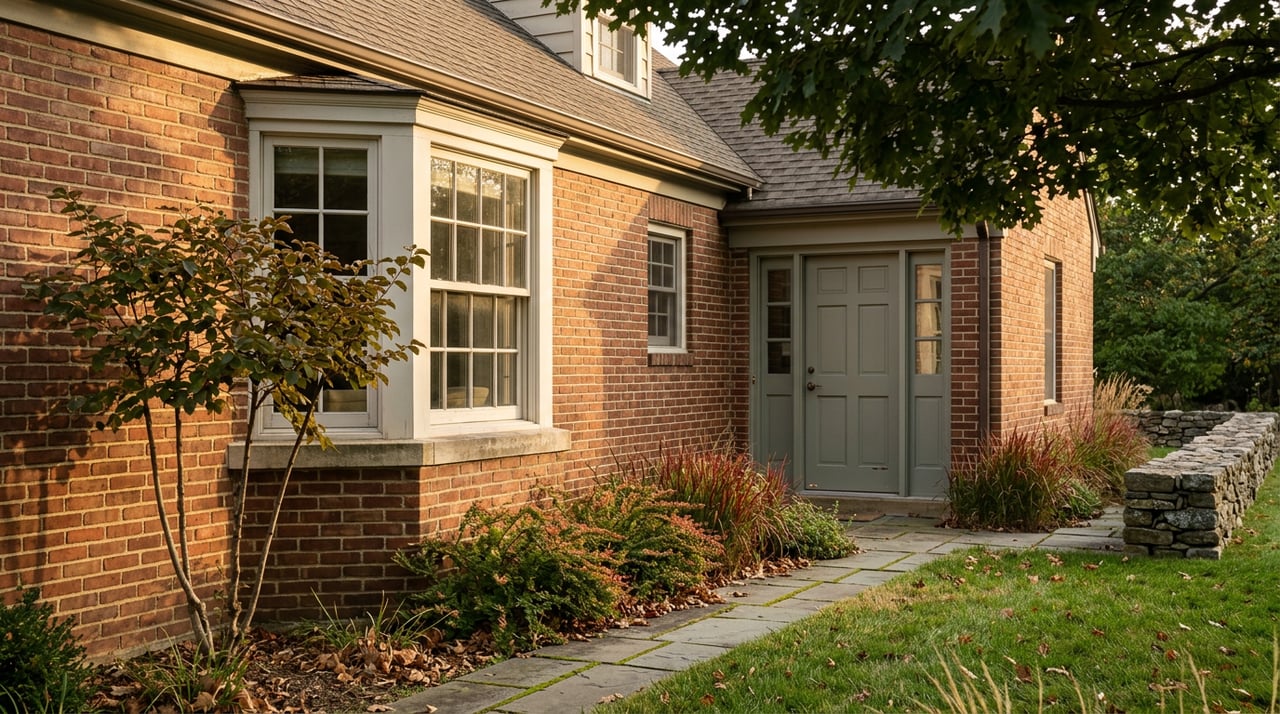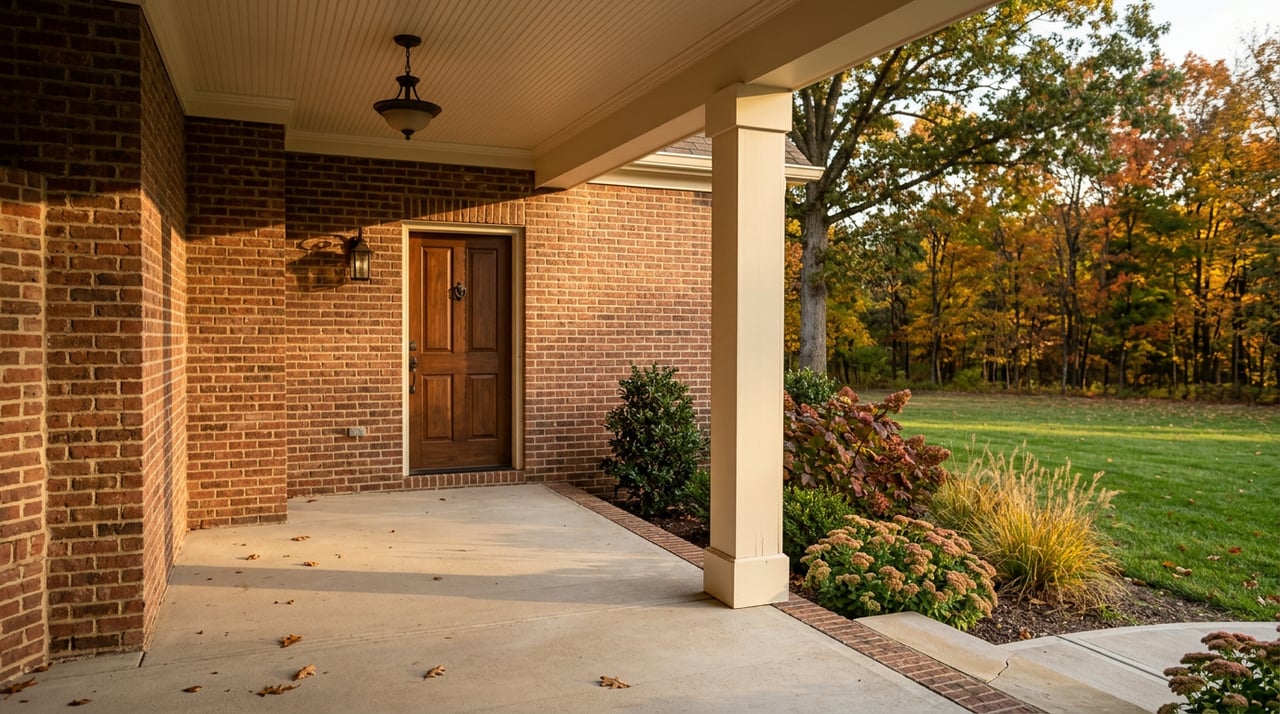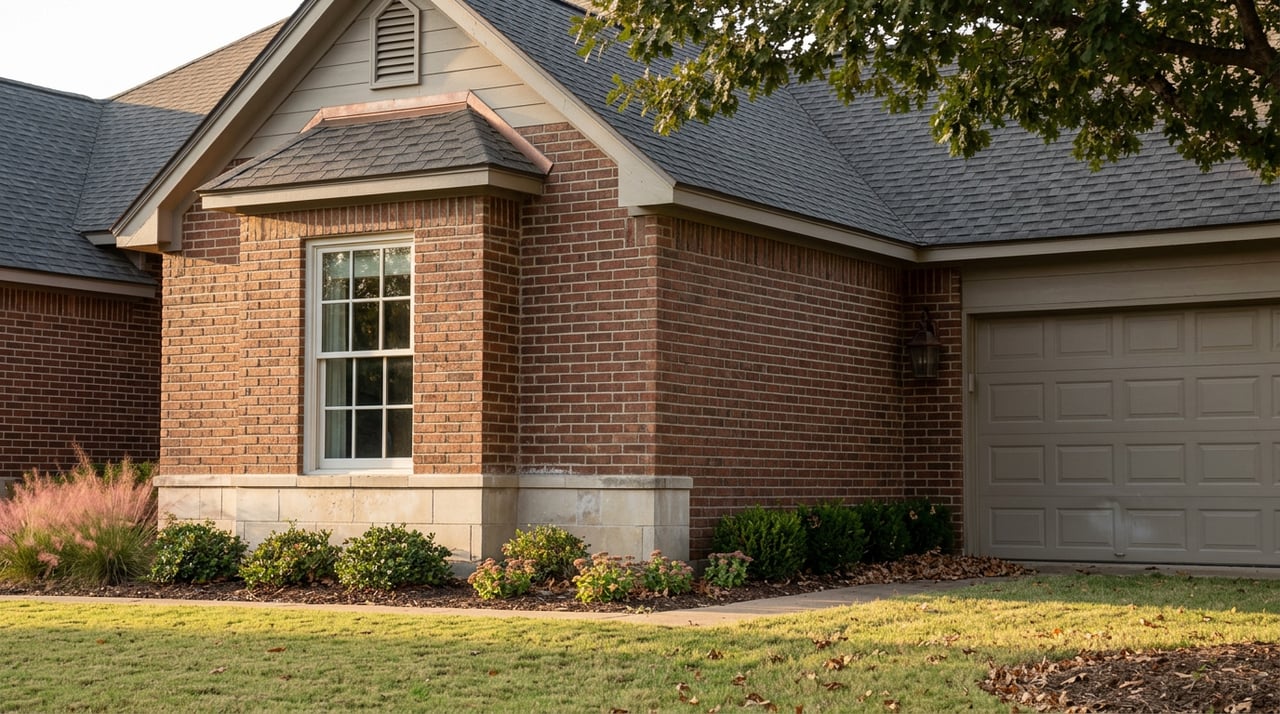
If you are getting PCS orders to Tinker, one of your first questions is probably simple: Should you live in Midwest City? For many military families, the answer is yes because it offers practical access to base, a wide range of housing options, and everyday convenience without feeling disconnected from the mission. This guide will help you understand commute patterns, housing choices, budget expectations, and what daily life can look like in Midwest City so you can make a more confident move. Let’s dive in.
Why Midwest City works for Tinker
Midwest City has a long connection to Tinker Air Force Base. The city was founded in 1942 to support the air depot that became Tinker, and the city still describes Tinker as its nearest neighbor and primary service community. That history matters because it helps explain why so much of the area is built around daily military life.
Today, Midwest City remains a practical off-base option for many households. According to U.S. Census QuickFacts for Midwest City, the city had an estimated population of 58,505 as of July 1, 2025, with 24.4 square miles, a 58.1% owner-occupied housing rate, and a mean commute to work of 22.8 minutes. City planning materials also highlight convenient highway and airport access, along with an average commute of about 20 minutes in broader community messaging.
For a PCS move, that combination can be appealing. You get a city that is closely tied to the base, large enough to offer options, and established enough to support both short-term and long-term housing decisions.
Commute to Tinker from Midwest City
For many buyers and renters, commute is the deciding factor. In Midwest City, the drive to Tinker can be manageable, but your daily experience depends on more than just distance on a map.
The official Tinker gate hours map current as of April 7, 2025 shows that Tinker Gate at I-40 and S. Air Depot Blvd. is open 24/7. Gott Gate and Hruskocy Gate are also open 24/7, while Eaker, Lancer, Vance, Piazza, and Hope have weekday windows or special-use schedules. Since gate availability can change without notice, it is smart to verify your route before move-in and again once you know your shift.
Tinker also maintains a traffic and construction information page where live gate traffic conditions are posted. A March 2026 base article on that page notes increased defense measures and encourages drivers to be patient at the gates. The same article says the average standard speed limit on base is 25 mph, with lower limits in housing and playground areas.
Roads that often matter most
Based on the gate map, homes near key corridors can make daily access easier. Areas connected to I-40, Air Depot, Douglas, Sooner, and Midwest Blvd. may offer more practical routing for many Tinker commuters.
That said, your best location depends on your gate, reporting time, and work schedule. A home that looks close in miles may not feel as convenient if it funnels you into heavier gate traffic at the wrong time.
A small PCS detail to remember
If friends or family plan to help you during your move, they may need updated identification. Tinker states that base visitors need a REAL ID after May 7, 2025. That is a small detail, but it can save stress on move week.
Housing options in Midwest City
One of Midwest City’s biggest strengths is variety. If you are expecting one uniform suburban housing style, that is not really the story here.
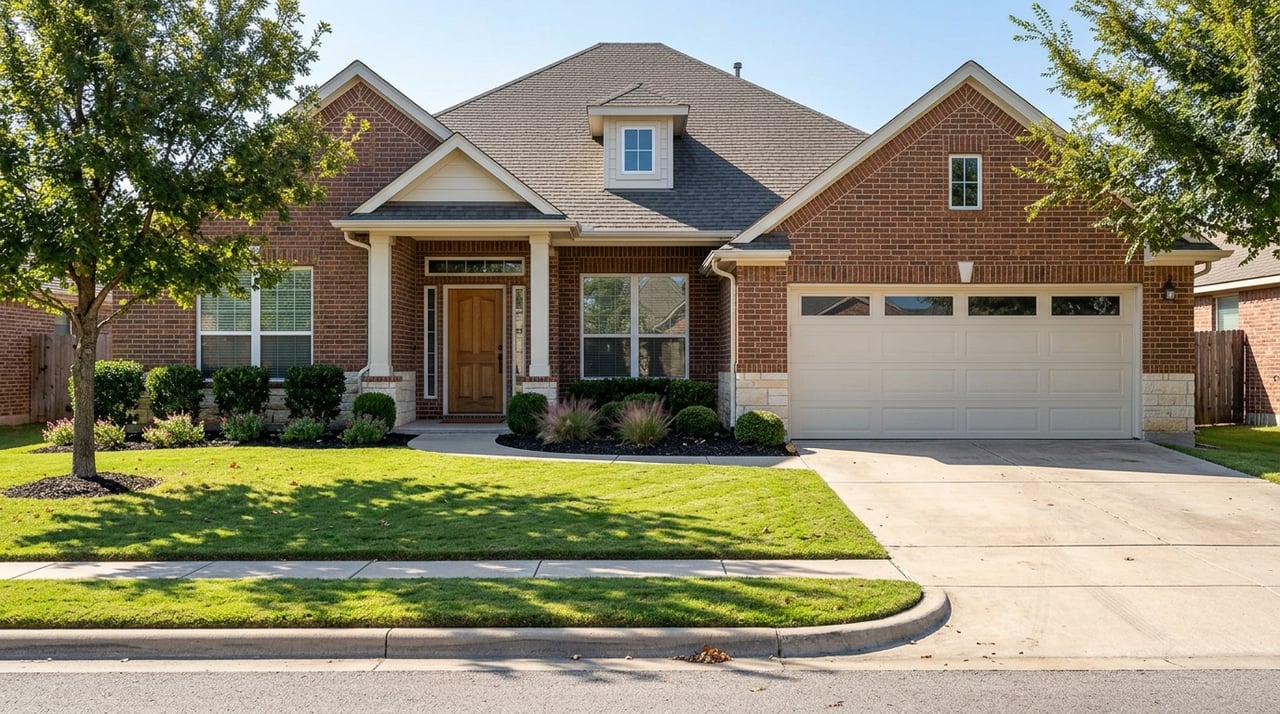
The city’s future land use plan shows that single-family detached homes remain the largest residential category, but the housing mix also includes duplexes, townhomes, apartments, and manufactured-home areas. For PCS families, that can be helpful because it opens the door to different price points, timelines, and lifestyle needs.
In practical terms, Midwest City can work for:
- renters who want flexibility for a first-year landing spot
- buyers looking for entry-level single-family homes
- households wanting mid-century neighborhoods with established lots
- people open to duplex or townhome living
- buyers considering infill or redevelopment areas over time
Neighborhood patterns to know
Midwest City has a more layered housing story than many relocation guides mention. Instead of treating the whole city the same, it helps to understand a few broad patterns.
The Original Mile
According to city planning materials, the Original Mile, bounded by Midwest Blvd., Air Depot Blvd., SE 29th Street, and SE 15th Street, was the city’s first housing development. It was built after World War II to serve service members and the air depot workforce.
The city describes the area as having small suburban-style homes and curving streets. For PCS buyers, that can mean an established area with older housing stock and a direct tie to the city’s military roots.
Ridgecrest
Another well-known area is Ridgecrest. The city describes Ridgecrest as a 1950s and early-1960s development with larger lots and the well-known pony-lot houses.
Some early homes still include small stables, and the city considers the neighborhood a historic asset. If you are drawn to mid-century housing, larger lots, or neighborhoods with a distinct identity, Ridgecrest may stand out during your search.
East side growth and redevelopment
The city’s housing and neighborhood plan notes that much of the remaining vacant or undeveloped land is east of Douglas Boulevard. It also says some older homes on large tracts may be redeveloped over time.
That matters because Midwest City is not frozen in one era. You may find older starter homes, apartment and duplex options, and some newer infill opportunities depending on where you look.
What Midwest City may cost
Budget is always part of the PCS equation. Whether you plan to rent first or buy right away, it helps to compare local housing numbers with your expected allowance and monthly comfort level.
Recent Midwest City housing market data from Redfin shows a somewhat competitive market. In March 2026, the median sale price was $192,250, homes typically sold after 48 days on market, the average sale-to-list ratio was 98.2%, and homes generally went pending in around 42 days.
Census QuickFacts adds more context. The same Midwest City census profile lists a median value of owner-occupied housing units of $164,500, a median gross rent of $1,091, and median monthly owner costs with a mortgage of $1,360.
How BAH compares
The 2026 BAH tables for the Oklahoma City MHA show examples including:
- E-5 with dependents: $1,644
- E-6 with dependents: $1,854
- O-3 with dependents: $1,974
Compared with the city’s median gross rent of $1,091, those figures are higher by $553, $763, and $883. Compared with the median monthly owner cost with a mortgage of $1,360, they are higher by $284, $494, and $614.
Those numbers can make Midwest City worth a closer look for many military households, but they are not a guarantee. BAH is based on location, pay grade, and dependency status, and the Department of Defense notes it is not intended to cover every housing cost.
Daily life in Midwest City
A practical commute is important, but so is what life feels like when you are not on base. Midwest City offers more than just a place to sleep between shifts.
The city’s community profile highlights healthcare, major retail developments, national retailers, specialty shops, the Hudiburg Chevrolet Center, a water park, championship golf, foot golf, miles of trails, and recurring community events. That creates a suburban setup with everyday convenience and local amenities in reach.
For many relocating families, that means errands, recreation, and basic services may be easier to manage without long drives across the metro. If you are moving from out of state, that convenience can make the first few months feel more manageable.
Schools and local services
The same community profile states that Mid-Del Public Schools serves Tinker families and enrolls more than 14,500 students across 15 elementary schools, five middle schools, and three high schools. If school enrollment is part of your relocation planning, that is one of the major local systems to know.
Midwest City also offers Neighborhood Initiative resources and fair-housing information. For newcomers who may rent before buying, or who are making decisions from a distance, that kind of local support can be useful.
Who Midwest City fits best
Midwest City often makes sense if your top priorities are practicality, access, and flexibility. It can be especially appealing if you want to stay close to Tinker, keep commute logistics manageable, and choose from a wider mix of homes rather than one narrow housing type.
You may want to look more closely at Midwest City if you are:
- planning a fast PCS timeline
- considering renting first, then buying later
- shopping for an entry-level single-family home
- interested in established neighborhoods with mid-century homes
- trying to balance budget with daily convenience
The right fit still comes down to your gate, your schedule, your budget, and how long you expect to stay. But for many Tinker households, Midwest City checks a lot of the right boxes.
Final thoughts on living near Tinker
A PCS move always comes with moving parts, and housing is one of the biggest. Midwest City stands out because it offers a service-oriented location near Tinker, a broad housing mix, and commute options that can work well when you plan around gate access and shift timing.
If you want help narrowing down where to rent or buy near base, the team at Kat Kosmala can help you make sense of the options, compare neighborhoods, and build a plan that fits your timeline and goals.
FAQs
Is Midwest City a good place to live during a PCS to Tinker Air Force Base?
- Midwest City is often a practical choice for Tinker PCS households because it is next to the base, offers a broad housing mix, and has convenient access to major roads and daily services.
What is the commute like from Midwest City to Tinker Air Force Base?
- Commute times can be manageable, but your experience depends heavily on which gate you use, current gate hours, traffic conditions, and your shift time.
What types of homes are available in Midwest City near Tinker?
- Midwest City includes single-family homes, duplexes, townhomes, apartments, manufactured-home areas, older post-war housing, mid-century neighborhoods, and some newer infill or redevelopment opportunities.
Is Midwest City affordable for military families using BAH?
- Local median rent and owner-cost figures are lower than several example 2026 Oklahoma City MHA BAH rates in the research, but actual affordability depends on your pay grade, debt, home type, and total monthly expenses.
What should Tinker families know before choosing a home in Midwest City?
- It helps to focus on gate access, road connections like I-40 and Air Depot, housing age and style, budget, and whether you want to rent first or buy right away.